

Beyond the Buffet: 5 Creative Ways to Use Serving Plates as Stunning Table Décor(Table Serving Plates)
We have all experienced it. The dinner party is meticulously planned, the menu is a culinary masterpiece, and the guest list is perfectly curated. Yet, when the moment arrives to set the table, we default to the familiar formula: charger, dinner plate, salad plate, glassware, cutlery. It is functional, it is traditional, but does it spark joy? Does it whisper of the care and creativity that went into the evening? Often, the most underutilized heroes of our dining collections are the very items designed to serve: our table serving plates.
Tucked away in cabinets, these platters, boards, and stands await their moment in the spotlight, typically reserved for ferrying food from kitchen to table. But what if we reimagined their role? What if we viewed them not merely as vessels for sustenance, but as foundational elements of artistic expression? This paradigm shift unlocks a world of aesthetic potential, transforming the table from a mere eating surface into a dynamic landscape of texture, elevation, and narrative.
Engaging with table serving plates in this manner is more than a simple styling trick; it is a declaration of thoughtful hosting. It demonstrates a commitment to the entire sensory experience, proving that the feast for the eyes is just as vital as the one for the palate. By strategically incorporating these pieces into your tablescape, you introduce layers of depth, unexpected focal points, and a curated elegance that standard place settings simply cannot achieve. Prepare to see your collection with fresh eyes as we explore five transformative methodologies for deploying table serving plates as the cornerstone of your next unforgettable tablescape.
The Foundational Principles: Understanding Scale, Texture, and Cohesion
Before we embark on our five creative journeys, it is imperative to establish a foundational understanding of the core principles that govern successful tablescape design. Arbitrarily placing platters on a table will create clutter, not art. The magic lies in the intentional application of scale, texture, and cohesion.
Scale and Proportion: This is the most critical principle. The size of your table serving plates must harmonize with the dimensions of your table and the other elements in your composition. A colossal, forty-inch wooden board will overwhelm a petite, circular table for four, just as a collection of tiny saucers will feel insignificant and lost on a grand, twelve-foot banquet table. Consider the visual weight of each piece. A thick, slate cheese board carries substantial visual heft, while a delicate, hand-painted porcelain platter feels light and airy. Balancing these weights creates a composition that feels stable and intentional.
Texture and Dimension: The human eye craves variety. A table setting composed entirely of smooth, glossy surfaces can feel sterile and cold. Conversely, a tableau of rough, matte textures might feel heavy and rustic. Table serving plates are your secret weapon for introducing tactile diversity. The rough-hewn edge of a live-edge wooden slab, the cool, polished smoothness of a marble tray, the intricate, raised pattern on a vintage transferware platter, or the rustic, unglazed rim of a terracotta dish—each one adds a unique tactile note. When layered with linen napkins, metallic cutlery, and crystalline glassware, these textures create a rich, multisensory experience that invites touch as well as sight.
Narrative Cohesion: Your table should tell a story. The table serving plates you select must contribute to that narrative, not distract from it. A sleek, black slate platter aligns perfectly with a modern, minimalist aesthetic, perhaps complemented by monochromatic dinnerware and architectural stemware. A vibrant, floral-patterned serving tray yearns for a romantic, garden-party theme, paired with pastel linens and delicate china. A weathered, wooden dough bowl naturally evokes a rustic, farmhouse feel, ideal for a casual, family-style gathering. Ensure that the materials, colors, and styles of your serving pieces converse harmoniously with the rest of your décor choices.
With these principles as our guide, let us delve into the five creative strategies that will redefine your relationship with table serving plates.
Method 1: The Layered Centerpiece – Building a Focal Point
The center of the table is prime real estate, traditionally occupied by a floral arrangement or a collection of candles. While beautiful, these can sometimes obstruct sightlines and conversation. The Layered Centerpiece technique uses table serving plates to create a sprawling, low-profile focal point that is both breathtaking and practical.
This approach involves stacking or grouping serving platters of varying sizes, shapes, and heights to construct a multi-tiered landscape. This structure then becomes the stage upon which you arrange your decorative elements.
Execution:
Establish the Foundation: Begin with your largest, most structurally significant table serving plate. This is your anchor. A large, round wooden board, a rectangular slate slab, or an oversized, neutral-toned ceramic platter works perfectly. Place it squarely in the center of your table.
Introduce Elevation: Select a second platter, noticeably smaller than the first, with some inherent height. A footed cake stand is the quintessential choice for this layer, but a sturdy, inverted bowl or a small, thick cutting board can also serve as a pedestal. Place this elevated element off-center on your foundational plate to create a more dynamic, asymmetrical composition.
Add a Third Tier (Optional): For a truly dramatic effect, add a third, even smaller plate or stand on top of the second tier. A miniature cake stand or a small, decorative tray can accomplish this.
The Art of Styling: Now, curate your décor atop this layered structure. The key is to treat the entire construction as a single entity.
Floral Arrangements: Instead of one tall vase, drape a lush, cascading garland of eucalyptus, ivy, or olive branches across the entire structure, allowing it to spill over the edges of the different levels. Nestle small bud vases with single blooms into the greenery, placing some on the foundational plate and others on the elevated tiers.
Candles: Create a warm, ambient glow by clustering pillar candles of different heights across the various levels. Ensure they are secure and never leave burning candles unattended.
Natural Elements: Intersperse the composition with organic items like artisanal nests, polished geodes, pomegranates, or lemons, depending on your theme. These add color, texture, and a touch of the natural world.
Pro Tip: Do not feel confined to a vertical stack. You can also create a “constellation” centerpiece by grouping several complementary table serving plates of similar height next to one another, each holding a small, curated collection of objects—a cluster of candles on one, a mound of moss and a nest on another, a small succulent arrangement on a third.
Thematic Inspiration: A Rustic Autumn Harvest
Foundation: A large, live-edge walnut slab.
Elevation: A medium-sized, dark brown footed cake stand.
Styling: Drape the entire structure with a deep green magnolia leaf garland. Place a miniature white pumpkin on the cake stand. Surround it with clusters of walnuts in their shells, cinnamon sticks tied with twine, and several ivory pillar candles. The result is a centerpiece that is abundant, fragrant, and perfectly captures the essence of the season.
Method 2: The Elevated Place Setting – A Personal Dining Pavilion
The individual place setting is where your guests will spend the majority of their time. Elevating this personal space is one of the most impactful ways to make each attendee feel uniquely honored. This method involves using a medium-sized table serving plate as a personalized “stage” or placemat for each guest’s entire dining setup.
This technique works exceptionally well for tables without a traditional tablecloth or runner, as it defines each guest’s space with elegance and intention. It also simplifies service for multi-course meals, as servers can deliver an entire composed setting at once.
Execution:
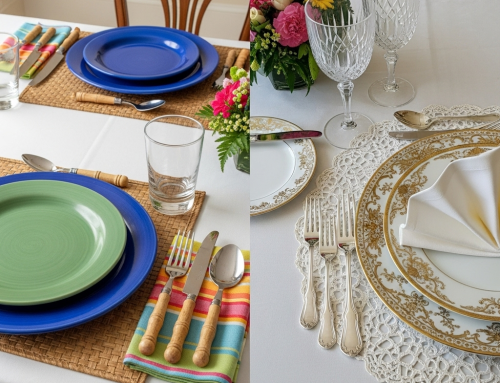
Select the Base Plate: Choose a table serving plate for each guest that is substantially larger than your standard dinner plate. A 12-inch to 16-inch diameter is ideal. The style sets the tone: a woven seagrass tray for a bohemian lunch, a polished marble square for a modern affair, a classic silver tray for black-tie formality, or a hand-thrown ceramic charger for an artisanal feel.
Build the Layers: Onto this base plate, compose the entire place setting.
Start with a decorative charger (if desired).
Place the dinner plate, followed by the salad plate or soup bowl.
Artfully position the napkin, either folded neatly or secured with a napkin ring, on top of or beside the plates.
Tuck the cutlery directly onto the base plate, parallel to the table’s edge, or place it on the napkin.
Personalize the Pavilion: This is where the magic happens. The “negative space” on the base plate becomes your canvas for personalization.
The Welcome Gift: Place a small, named place card and a curated favor on this space. This could be a miniature pot of honey, a sachet of herbal tea, or a beautifully wrapped chocolate.
A Botanical Touch: Tuck a single, elegant bloom, like an orchid or a rose, or a sprig of aromatic rosemary, alongside the cutlery.
The Menu Card: A calligraphed menu card placed on this stage adds an air of exquisite anticipation.
Pro Tip: For a truly cohesive look, ensure the table serving plates used for this purpose are identical or part of a tightly coordinated set. This creates a rhythm and uniformity that is visually calming, allowing the personalized elements to shine without creating visual chaos.
Thematic Inspiration: A Coastal Blue and White Table
Base Plate: A large, navy and white patterned ceramic charger or a round, woven rattan tray.
Layers: Crisp white dinner plates and cobalt blue water glasses.
Personalization: A white napkin folded into a simple rectangle, secured with a piece of natural jute twine. A small, white sea shell rests atop the napkin, beside a place card written in navy ink. The entire setting evokes the serene, structured beauty of a nautical theme.
Method 3: The Functional Art Installation – Plates on the Wall
Why should the walls be barren while the table enjoys all the decorative attention? This avant-garde approach liberates table serving plates from the horizontal plane entirely, transforming them into a stunning vertical gallery wall above your dining table or sideboard. This method is perfect for showcasing a collection of particularly beautiful or sentimental platters that are too precious for everyday food service.
A wall installation of plates creates a permanent, custom art piece that establishes the room’s aesthetic and provides a magnificent backdrop for any tablescape you create beneath it.
Execution:
Curate the Collection: Gather the table serving plates you wish to display. The most compelling installations have a unifying element. This could be a consistent color palette (e.g., all blue and white), a common material (e.g., all wooden trenchers), a shared shape (e.g., all octagonal plates), or a varied collection that tells a story of your travels. Variety in size is encouraged to create visual interest.
Plan the Arrangement: This is the most crucial step. Before hammering a single nail, lay your plates out on a large sheet of craft paper or directly on the floor. Play with different compositions.
The Sunburst: Arrange plates around a central, focal platter.
The Asymmetrical Cascade: Create a flowing, organic shape that drifts down one side of the display space.
The Structured Grid: For a modern look, arrange plates of the same size and shape in a clean, symmetrical grid.
The Salon-Style Cluster: A tight, eclectic grouping of mixed sizes and shapes that feels collected over time.
Secure with Confidence: Use professional plate hangers for rimless plates or disc hangers that adhere to the back of the plate. These are widely available and designed to hold significant weight securely. For a truly invisible look, some specialty hangers use a strong, clear adhesive gel. Always follow weight limits and installation instructions meticulously.
Pro Tip: When lighting your dining table, consider adding a picture light or a discreet, directed spotlight to illuminate your plate wall. This will dramatically enhance the colors, textures, and shadows, turning your collection into a gallery-worthy display, especially during evening gatherings.
Thematic Inspiration: A Global Gallery Wall
Collection: A curated assortment of table serving plates collected from travels: a painted Talavera tile from Mexico, a hand-hammered brass tray from Morocco, a delicate Chinese porcelain plate, and a rustic Italian ceramic platter.
Arrangement: A salon-style cluster that feels organic and personal.
Backdrop: A deep, moody wall color like charcoal gray or navy blue to make the vibrant colors of the plates truly pop. The table setting below would be kept simple and neutral to allow the wall to be the undeniable star.
Method 4: The Thematic Vignette – Curating Miniature Worlds
Sometimes, the most enchanting details are the small, unexpected moments discovered around the table. This technique involves using small to medium table serving plates as the foundation for thematic vignettes placed between place settings, on a sideboard, or as part of a larger centerpiece. Instead of holding objects, these plates hold scenes.
This approach allows for immense creativity and is a fantastic way to reinforce your party’s theme in a subtle, artistic way. Each vignette becomes a small, conversational piece of art.
Execution:
Select the Stage: Choose a table serving plate that complements your theme. A scalloped-edge saucer, a square slate tile, a miniature wooden board, or a vintage butter pat plate can all serve as perfect stages.
Define the Scene: With a keen eye for scale and detail, arrange miniature elements to create a narrative.
A Woodland Scene: On a moss-covered plate (use preserved sheet moss), place a tiny ceramic mushroom, a few acorns, and a snippet of faux boxwood.
A Desertscape: Fill a terracotta saucer with fine, white sand. Add a small, sculptural air plant (tillandsia), a few pieces of turquoise, and a miniature, bleached piece of driftwood.
A Nautical Nook: On a blue-glazed plate, arrange a layer of small, white seashells, a piece of coral, and a miniature, glass fishing float.
Integrate into the Tablescape: Scatter these curated vignettes along the length of your table, perhaps one between every two guests. They can also be stunning on a console table in the entryway to welcome guests or on a bar cart to continue the thematic thread.
Pro Tip: Incorporate a functional element. A desertscape vignette could also hold salt for your guests. A woodland scene could be the resting place for a single, beautiful napkin ring. This fusion of form and function is the hallmark of sophisticated design.
Thematic Inspiration: A Winter Wonderland Tablescape
The Stage: A series of round, mirrored coasters or small, white ceramic plates.
The Scene: A dusting of faux snow or Epsom salt creates the base. Place a single, small, frosted pinecone, a tiny, silver-painted twig, and two or three miniature, iridescent glass ornaments on each plate.
Integration: Place these shimmering, frozen moments at intervals along a white runner. The mirrors and glass catch the candlelight, creating a magical, glistening effect across the entire table.
Method 5: The Unexpected Pedestal – Reinventing Everyday Objects
Our final method encourages pure, unadulterated creativity by challenging the very definition of a “table serving plates.” This technique involves using table serving plates as pedestals, risers, and stands for objects that are decidedly not food. By elevating ordinary items, you bestow upon them a new importance and create surprising points of visual interest.
This is a fantastic way to add height variation to your table without purchasing specialized decor, and it reinforces the idea that every element on your table has been considered and intentionally placed.
Execution:
Look around your home for objects that would benefit from being lifted into the spotlight. Then, select a table serving plates that provides a complementary base.
Elevate a Vase: Place a single, stunning stem—like a protea, a sunflower, or an orchid—in a slender vase. Then, set that vase atop a contrasting table serving plate. A modern, black vase on a white, textured cake stand creates a powerful, sculptural statement. A simple glass bud vase on an ornate, gold-rimmed charger feels unexpectedly luxurious.
Showcase a Candle: Instead of letting a candle sit directly on the table, give it a throne. A large, pillar candle feels more significant and safer when placed on a sturdy, heat-resistant table serving plate like slate, marble, or metal. Group candles of varying heights on individual plates for a dramatic effect.
Create a Bar Station: On a sideboard, use a large, attractive tray or a wooden board as the base for your bar essentials. The table serving plates corrals the bottles, glasses, and accouterments, turning a functional area into a styled station.
Highlight a Collection: Have a beautiful collection of vintage inkwells, sea glass, or mineral specimens? Display a few select pieces by placing them on small, individual saucers or tasting plates scattered across your table. This transforms a personal collection into a conversational art piece for your guests to admire.
Pro Tip: Do not shy away from contrast. The beauty of this method lies in the unexpected pairing. A rough, organic object on a sleek, modern platter creates tension and interest. A delicate, refined object on a rustic, wooden slab feels grounded and authentic.
Thematic Inspiration: A Modernist Geometric Table
The Pedestal: A set of black, square lacquer trays in different sizes.
The Objects: A collection of white, geometric ceramic vases, each holding a single, architectural bloom like a calla lily or a birds of paradise. A stark white pillar candle on another. A small, polished geode on a third.
Integration: These black trays create a series of “floating” platforms along a stark white tablecloth, creating a clean, graphic, and highly modern aesthetic that is both minimalist and impactful.
Conclusion: Reimagining the Ritual of the Table
The journey through these five creative methodologies demonstrates a profound truth: our dining tables are not merely surfaces for consumption. They are the stages upon which we celebrate connection, foster community, and express our personal aesthetic. The humble table serving plate, when liberated from its conventional role, becomes a versatile and powerful tool in this expressive practice.
From constructing a layered centerpiece that commands attention to curating intimate, personalized vignettes that invite discovery, these techniques empower you to transform any meal into a memorable occasion. They encourage us to see our existing possessions not for their prescribed function, but for their formal potential—their shape, their texture, their color, their inherent beauty.
So, the next time you open your cabinet, pause. Look at that stack of platters, trays, and stands not as mere utensils, but as a palette of possibilities. Let them descend from their shelves and ascend to their new roles as the foundational elements of breathtaking tablescapes. Embrace the art of the table, and let your table serving plates tell a story long before the first course is ever served.



Leave A Comment